Drill core logging · at the rig

The whole core.Wherever you are.

Drill core logging at the rig. Both faces of the fresh core, stitched into one seamless cylinder before it is boxed.

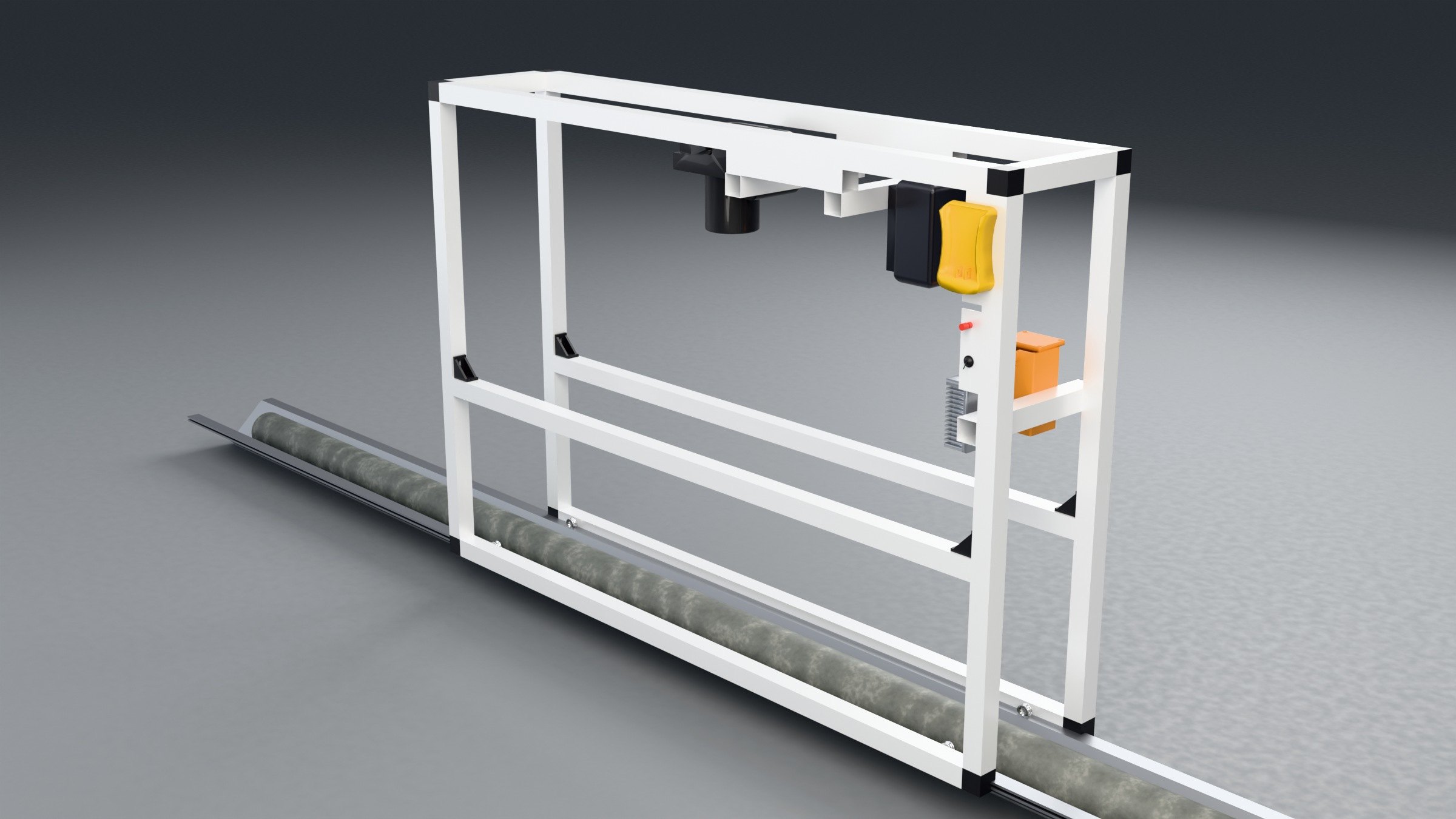
FastShot 360° cart on its L-profile with a drill core
01 — The problem

The core starts breaking the moment it leaves the hole

  • ✕
    Split to fit the boxesOriginal geometry is gone.
  • ✕
    Depth blocks placed by eyeErrors no one can recover later.
  • ✕
    Orientation drawn with a rulerSlow and imprecise.
  • ✕
    Logged on broken core, days laterDecisions wait for the boxes.

What is lost at the rig can never be recovered.

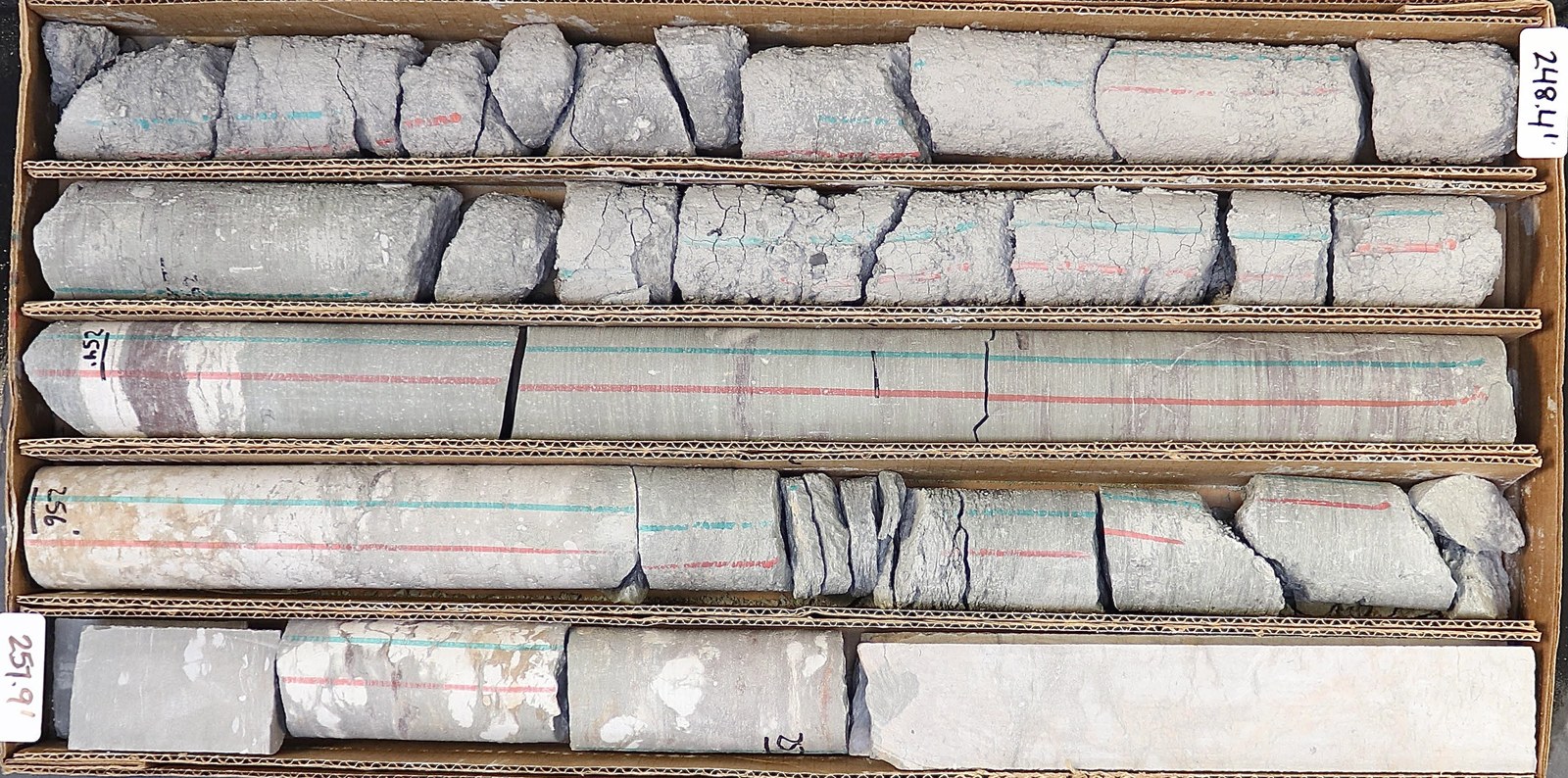
Broken drill core in a core box

As drilled, the core is intact.

36 s · with sound
02 — How it works

Your process stays the same. FastShot 360° adds value on top.

Drillers and geologists keep working the way they do today: same steps, same core boxes, same logging. FastShot 360° captures the core at the rig, before it is boxed, and adds a complete digital record.

  1. As todayCore out of the barrel
  2. + Added valueFastShot 360° capture
  3. As todayBoxing
  4. As todayLogging
03 — The result

Two faces. One seamless core.

Digitized before the core is boxed. Every run is logged with its Hole ID and depth.

Continuous drill core, both faces stitched
01One continuous coreBoth faces stitched into a single seamless record.
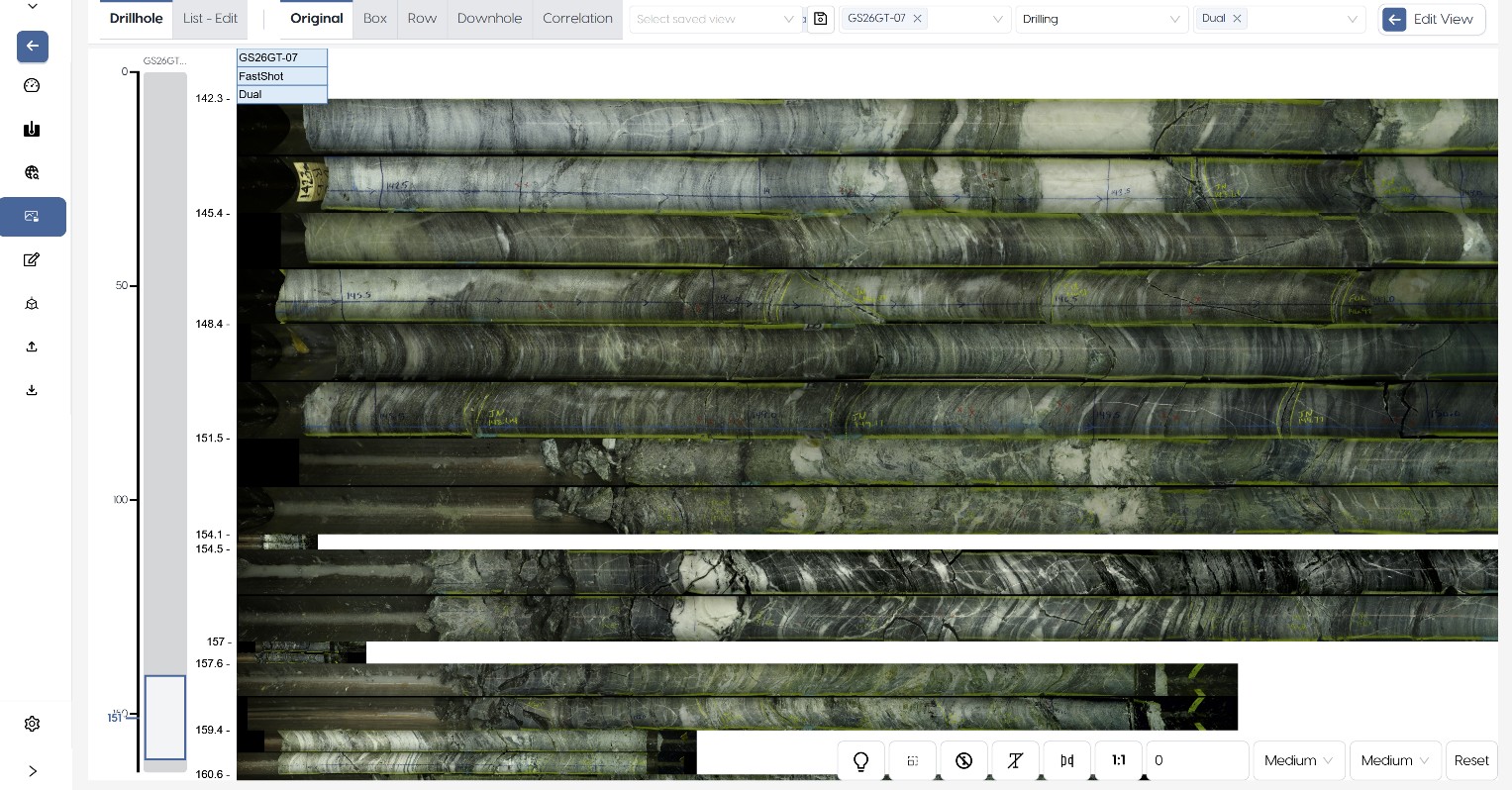
All digitised cores in the software interface
02On your screen, the same dayEvery run by depth, in the original software interface.
Loading the core…
Drag to spin · scroll to zoom in
03Hold the core in your handsDrag to spin it, scroll or use + / − to zoom in on the details. Real capture from a field run.
04 — Benefits

The drill core, captured intact, at the rig.

~3minPer core, both faces
360°Full core coverage
LiveImages in the office
Easy to useRun by the drill crew, no outside staff.
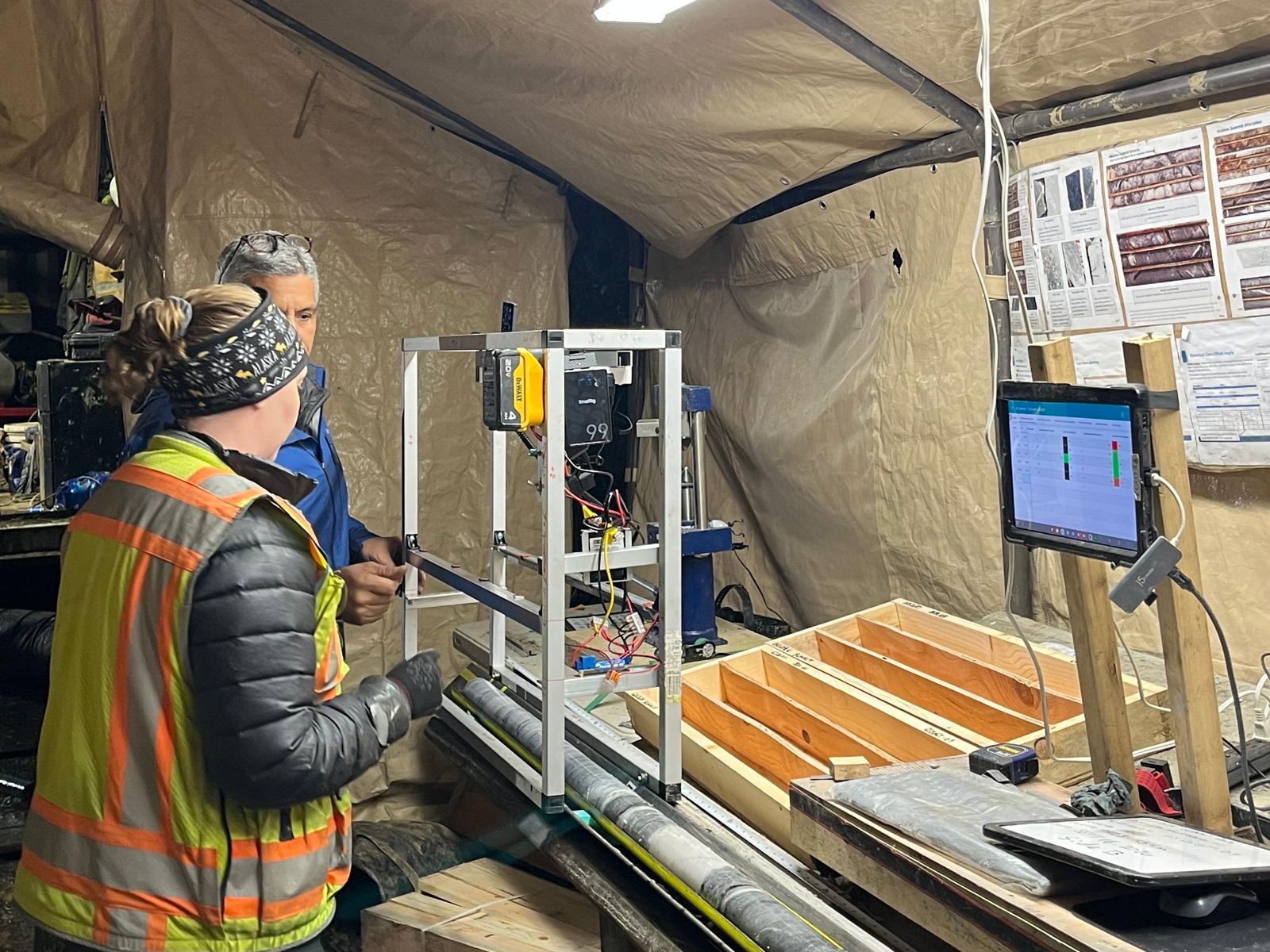
FastShot 360° capturing core in a core shack in Alaska
FastShot 360° in a core shack · Alaska, USA
05 — Already in the field

Already used on US drilling projects.

FastShot 360° is already in use at mining projects in Alaska, alongside the geology teams that log the core every day.

  • WhereAlaska, USA
  • On siteAt the rig and in the core shack
  • ResultCore barrel to 3D twin, in minutes.
06 — FAQ

Questions from the field.

Who operates it? Is outside staff needed?

The drilling team itself, with no outside staff. It is light and easy to use, so no prior training is needed. It sits at the drill site, before boxing: same boxes, same logging. A capture takes about 3 minutes per core, both faces included.

How is it different from a televiewer and other core scanners?

Unlike other scans, it sits at the drill site, before the core is boxed, and it is light and easy to use, with no prior training. A televiewer is costly and goes down the hole with its own risk; core scanners are fixed equipment that work on core already boxed. FastShot 360° complements them, it does not replace them.

What about daylight or night?

The cart carries its own adjustable 6500 K LED lighting and is covered on the sides to control the light, so the image is standardised in any condition, day or night.

How are depth and orientation kept?

The orientation line is drawn at capture, with no ruler. Depth is reconciled at the rig, before boxing, with no eyeballing, and each run is logged with its hole ID and depth.

How big is it and how is it powered?

About 12 kg and portable: a cart of approx. 20 × 97 × 66 cm on a 3 m L-profile. It runs on a 20 V tool battery, chosen so it can be swapped quickly and easily if it runs out mid-service. The camera has its own independent 6800 mAh battery, 6.5× the capacity of a standard camera battery. Built for harsh environments.
07 — Quote

Want to try it on your next hole?

Tell us about your drilling program and we'll get back to you.